Skip to content

Miguel Ferreiro García

Working to keep artificial intelligence at the service of people.

I come from biology, grew up professionally working with clinical data, and today I work on the governance of AI models.

On my own, I explore ideas, and some end up as tools or projects. You are welcome to take a look.

Tools

Tools to monitor AI models.

Vigía

AI governance

A tool to monitor AI models while they are in use, which an AI assistant can operate.

It measures quality, fairness across groups, drift and explainability for a model. It adds the human layer, how the work of whoever uses the model changes: whether they stop double-checking it, how often they correct it and an audit of the interaction. It is built to be run by an AI assistant over MCP, with 39 tools, and everything is logged, recording who did each thing. A local, no-code Windows tool.

39 MCP tools
3 task types
7 synthetic templates

Seguridad y gobernanza de la IA

AI safety

An AI safety and governance course, in Spanish.

A Spanish adaptation of the AI safety book and course by the Center for AI Safety (CAIS). It adds healthcare cases and a monitoring module with Vigía as the lab. The whole course runs in the browser, with nothing to install.

57 lessons
75 simulators
≈40 h of study

Reproduced with permission of Center for AI Safety, Inc.

Explorations

Open-data projects.

Each one started with a question.

Madrid Healthy Living Index Urban health

Is healthy living equally easy in every Madrid neighbourhood?

9% of neighbourhoods meet 3-30-300

A healthy-living index for every Madrid neighbourhood, built from open data: healthy food, sport, parks and tree cover. You explore it in an interactive dashboard. The 3-30-300 rule asks for 3 trees visible from home, 30 % tree canopy cover in the neighbourhood and a park within 300 metres.

Storymap incendios Galicia 2025 Wildfires

Why did so much of Galicia burn in 2025?

1,400 fires

A map story, chapter by chapter, of the 2025 wildfires in Galicia: where it burned, how much and how severely, measured from satellite images.

Praia ou montaña Outdoor leisure

Beach day or mountain hike today in Galicia?

954 beaches

An app that checks the weather, the sea and the distance, and tells you whether today in Galicia calls for the beach or a mountain hike, adapting to your preferences.

Climatch Climate

Which city has my climate, today and in 2050?

86 years of ERA5 climate

A comparator of cities by their climate, future projections included, to find out which cities best suit your tastes.

EASiMap Protein structure

What stays the same, and what changes, in the active site of an enzyme family?

309 PDB structures in 5 families

An atlas that draws the amino acids around the sugar as stars in a sky: the closer, the brighter. It stacks every PDB structure of a family, so you can see where evolution kept each residue in place and where it let go. Five families. Only GH1 gives a clean story, position 333; the others give hypotheses, not results. It is my 2020 master's thesis, redone with current data.

WikiNatu Biodiversity

Which species will I find on my route?

189 species on the example route

A website that crosses a GPX route with iNaturalist observations and gives you what lives along the path. It shows it on a map, in a nature plate in the manner of Humboldt, with each species at its height, and in a configurable PDF guide to carry in your backpack. The GPX never leaves your browser.

About

Biology → data → AI.

  1. Introducing myself

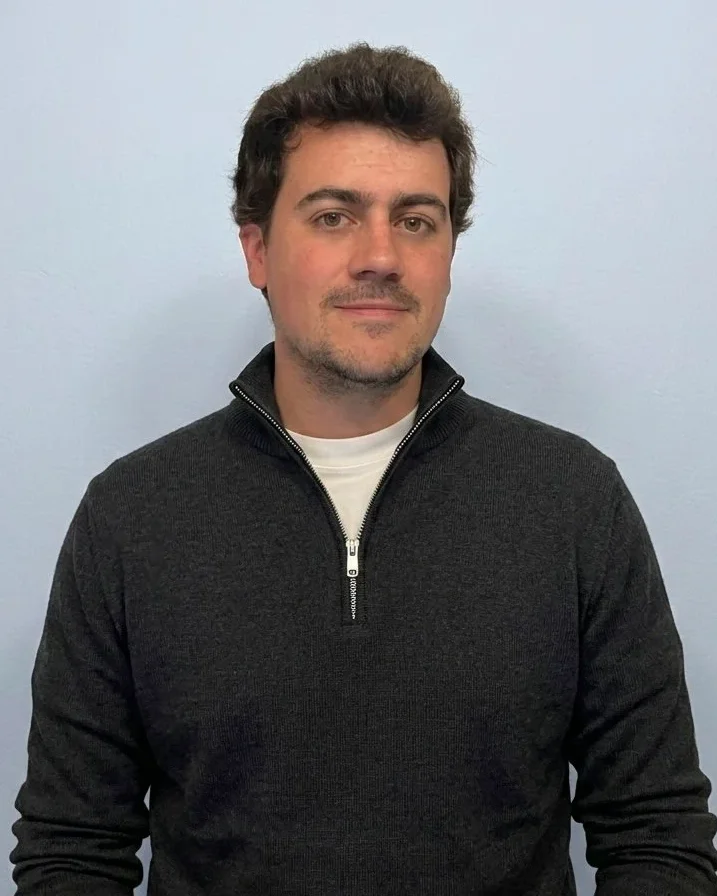
    I am Miguel Portrait of Miguel Ferreiro . I work from Santiago de Compostela, Spain, on monitoring and overseeing artificial intelligence models.

  2. One foot in, one foot out

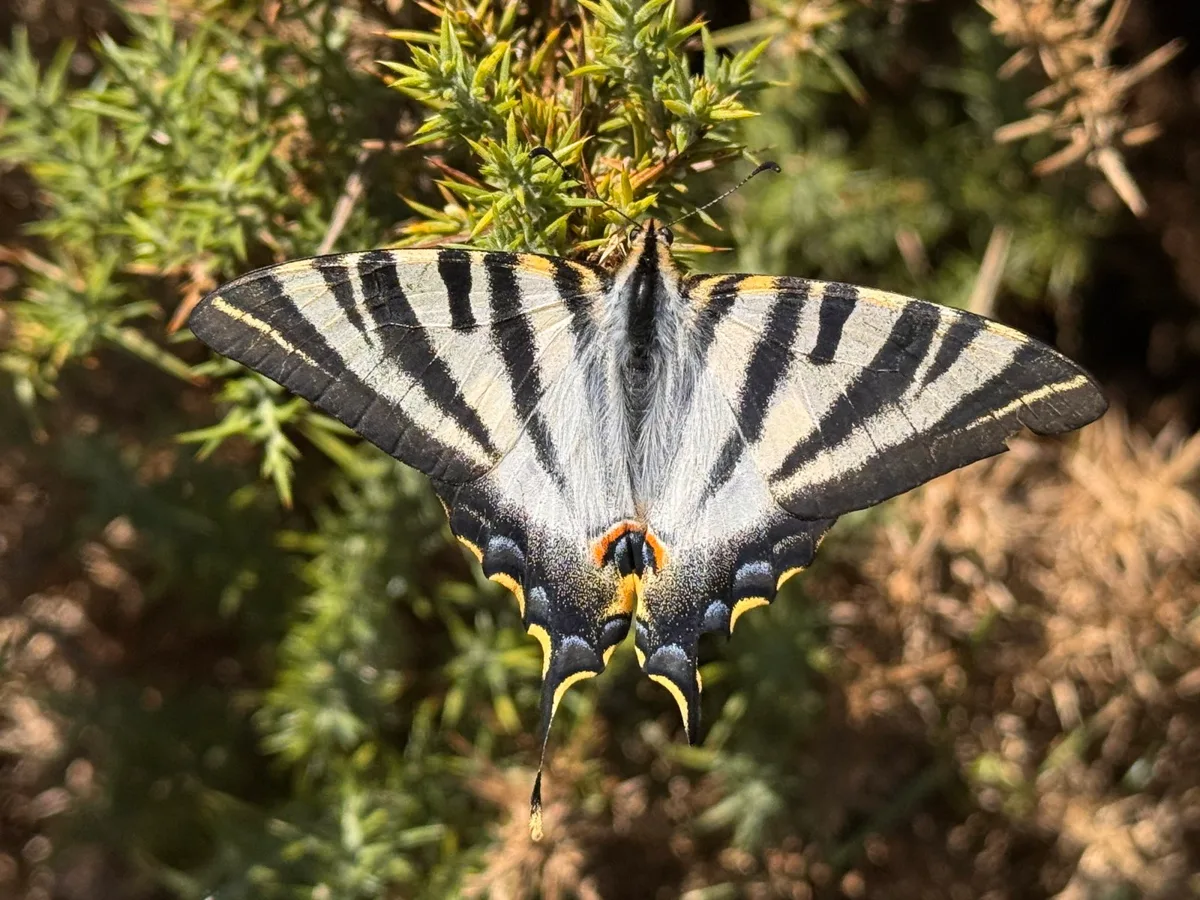
    My interests have always been closely tied to nature, and I have always enjoyed learning about it Scarce swallowtail butterfly on gorse . That led me to study Biology, and that is where I truly fell in love with that world, from molecules to ecosystems. I went on to study bioengineering, and there I realised my place was not in the lab, but split between the mountains and the computer.
  3. Understanding digital health through biology

    After that first contact with computing I kept studying bioinformatics and biostatistics, online and alongside my first steps into the working world. I grew and learned a lot working with clinical data from organisations in several European countries, harmonising it and looking after its quality, and I kept applying what I had learned in biology. The next step was geospatial data analysis and One Health, which links human, animal and environmental health, and that is where the projects that came later started to take shape.

  4. First steps on the map

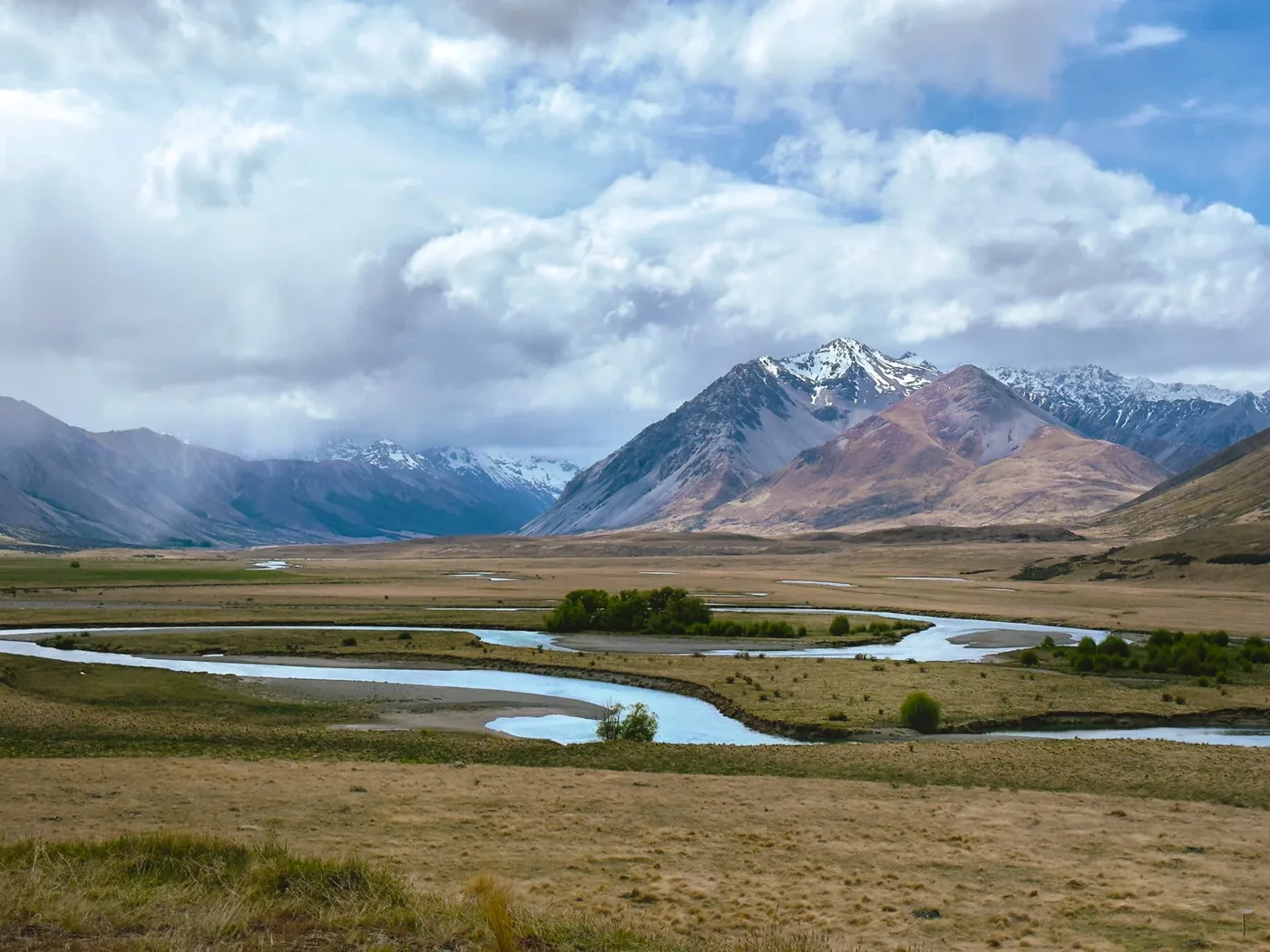
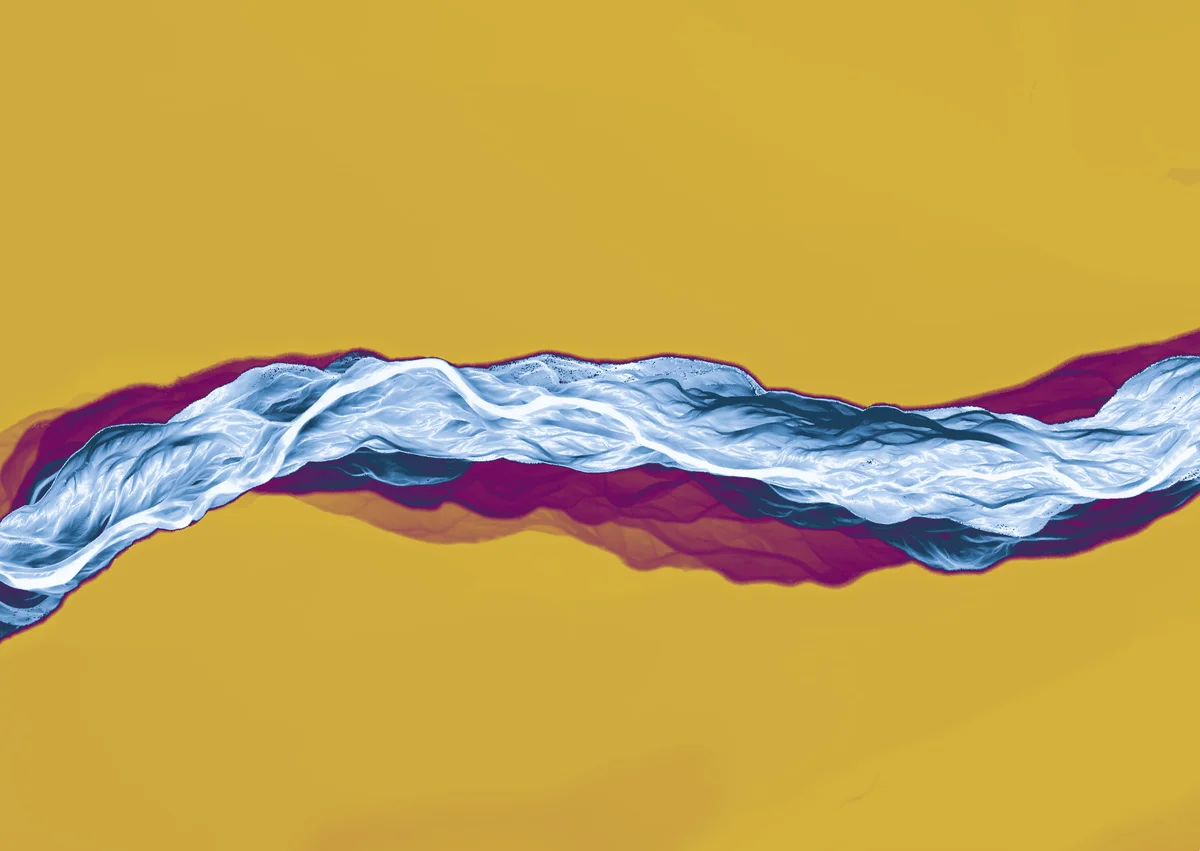
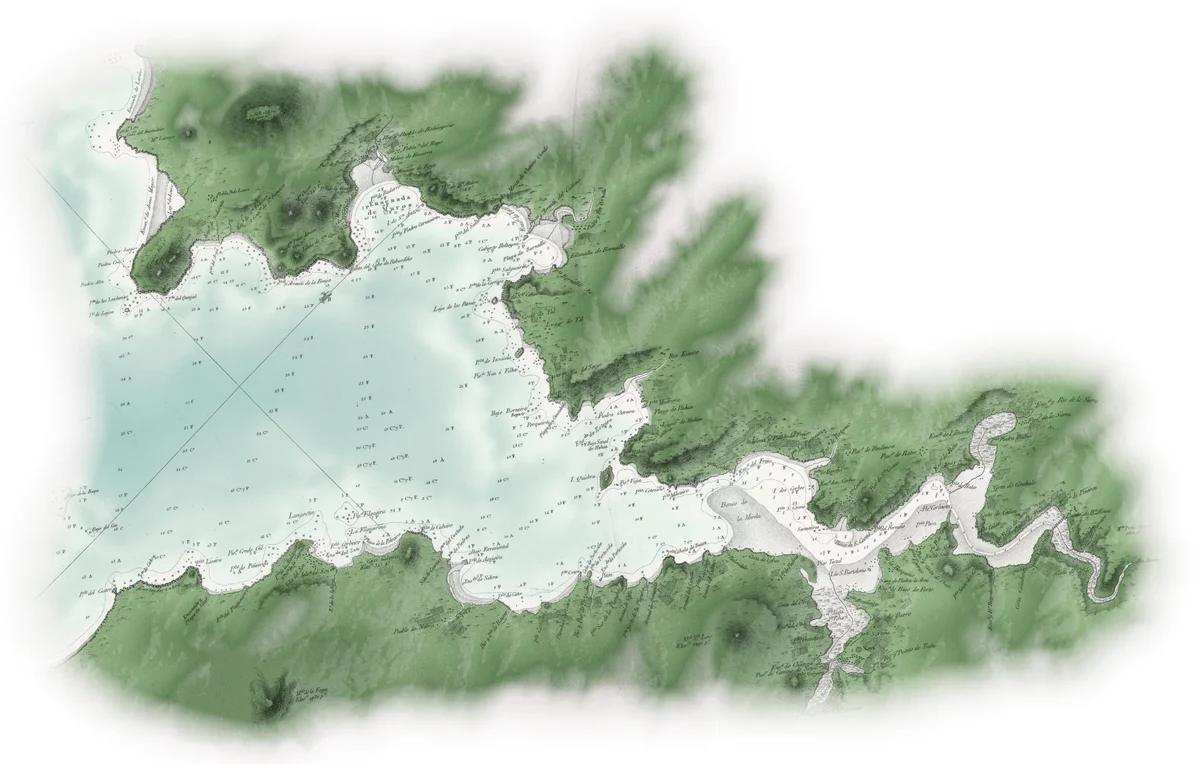
    Over the next years I gave shape to those ideas, while I moved forward at work and learned new tools and ways of running projects. I started analysing data about cities and learning GIS and geospatial technologies. My first projects were maps of what was around me Relief map of a Galician estuary over an old nautical chart , or of memories of my travels Valley with a river and snowy mountains seen from other angles Relative elevation model of the Lindis River, New Zealand, in yellow, maroon and blue .
  5. A new door

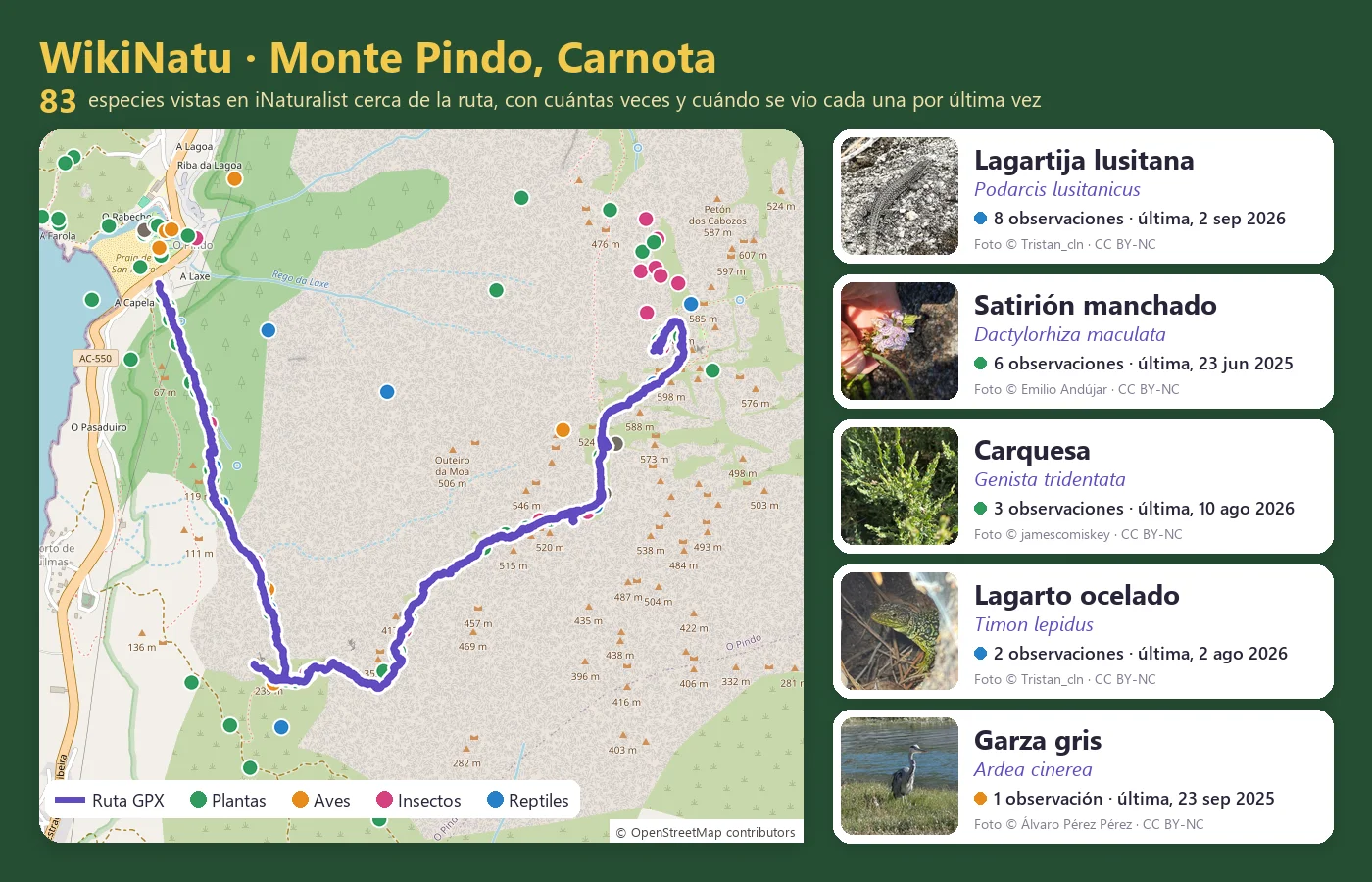
    When AI models arrived, what I could do on my own changed. It interested me from the first moment, because ideas that used to stay in a drawer, for lack of time or because I did not know where to start, came within reach. That led to the open-data explorations on this page, and also to projects such as an app that crosses my hiking routes with iNaturalist observations to know which species I can find WikiNatu on the Monte Pindo route, in Carnota: 83 iNaturalist species seen near the route, and five species cards with how many times each was seen and when it was last seen .
  6. We watch the model, but the user decides

    AI already takes part in decisions that affect people, and I want my work to help make those decisions safe and fair. Governance is how I get there, keeping this tool at the service of people and not used to cause harm. I validate and monitor AI models in healthcare, across different systems and organisations, and I take care of understanding each model’s context and the people who will use it, to design the governance strategy that suits it best. That is where I saw a gap the market was not covering, measuring the human layer. A model is not an isolated system, a person uses it and it changes how that person works and decides. For governance to be complete, the interaction between the user and the model has to be measured too. That idea gave rise to Vigía.

  7. Let’s talk

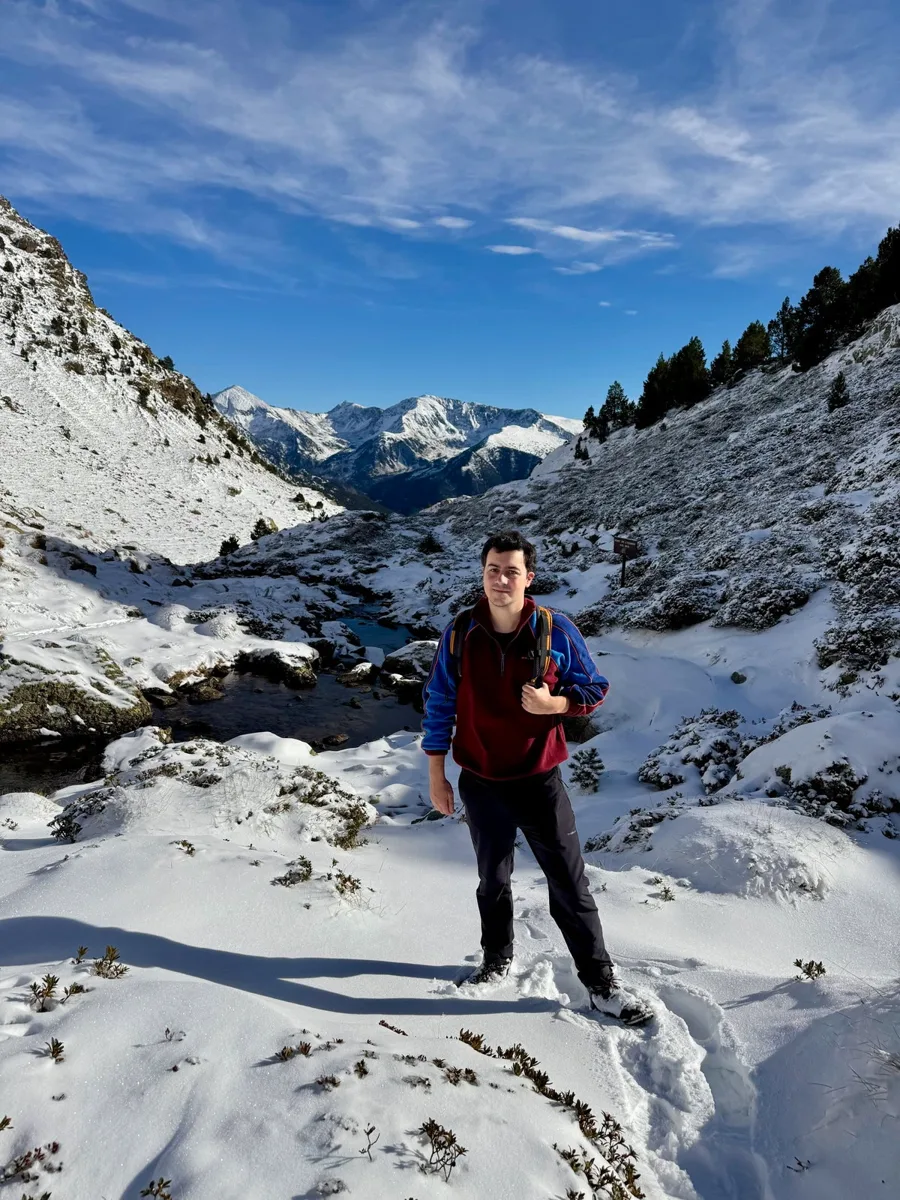
    Every day I keep learning and exploring new ideas, and now I can leave my agents researching every now and then while I head out to the mountains Miguel in a snowy mountain valley . If anything here interests you, write to me and I will be happy to connect.